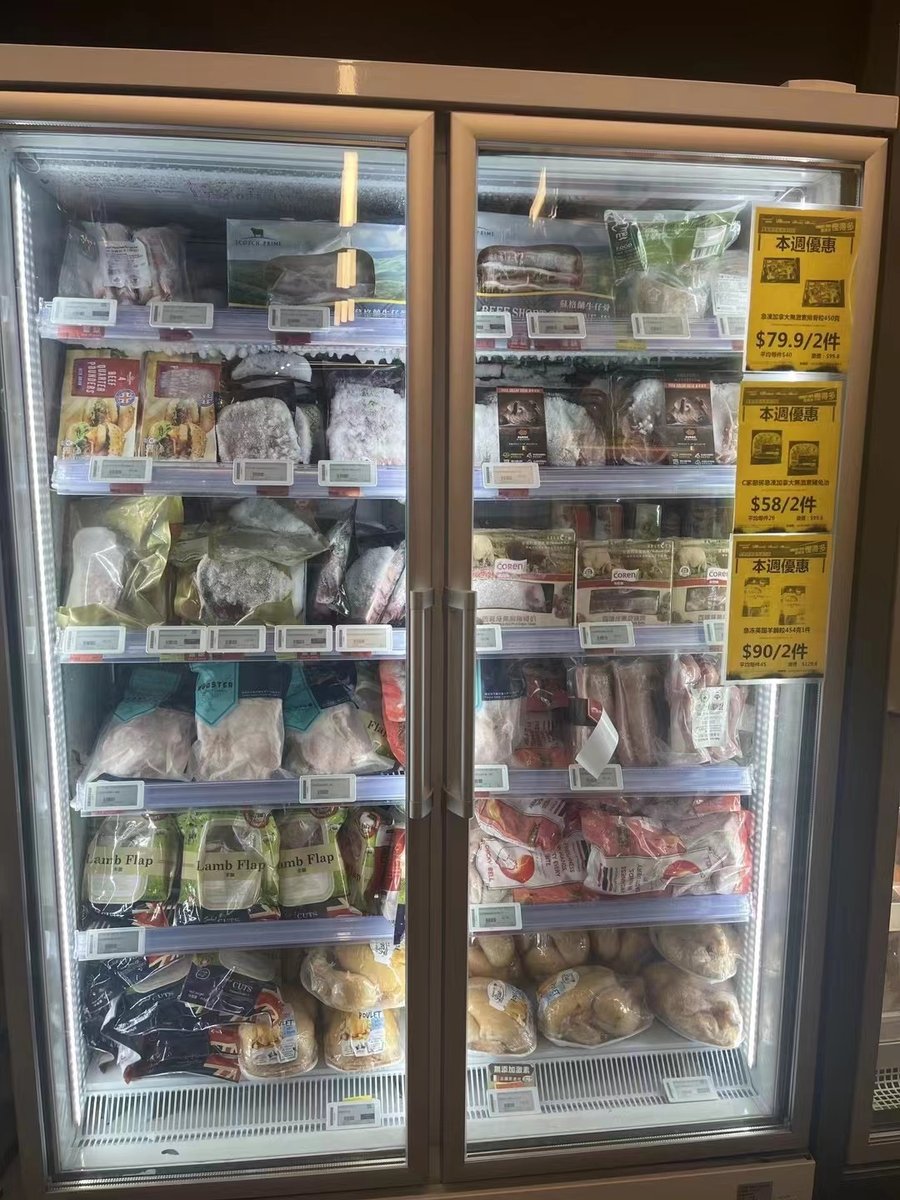
The question usually arrives in a pointed form: retailers justify electronic shelf labels with labor savings and accuracy, but critics say the real motive is the ability to change prices whenever they like. This page sets the two claims against what deployment data, peer-reviewed research and official sources actually show — and is explicit about where the evidence runs out. We build ESL systems, so we have a stake in the answer; every number below links to its source.
What Exactly Are the Two Claims?
Both sides agree ESLs make price changes cheap; they disagree about what retailers do with that.
| Industry claim | Critics’ claim | |
|---|---|---|
| Main benefit | Labor saved on re-tagging; fewer pricing errors | The ability to change prices at will |
| Effect on shoppers | Accurate prices, faster promotions | Surge and surveillance pricing; fewer staff |
| Typical source | Vendor case studies, commissioned ROI studies | Union and advocacy reports, legislators |
| Shared weakness | Both lean on the same vendor marketing figures for labor savings. | |
Framework: AiESL Research.
What Does the Evidence Say About Labor Savings?
The direction is clear and the size is not. Every source agrees that changing a price centrally takes less staff time than printing and placing a tag. How many hours that saves per store has not been independently measured.
| Source | What it says | Independence |
|---|---|---|
| Walmart (company statement) | A price change that took associates two days of walking the aisles now takes minutes. | Retailer statement; no hour totals published. |
| Forrester TEI (2022) | Composite 500-store grocer: 18-month payback, 277% five-year ROI, from price-change automation, faster in-store order picking and replenishment. | Commissioned by Pricer; model built from three retailer interviews. |
| Vendor and reseller blogs | Claims of 35–60 tag-change hours per supermarket per week, or 60–90% reductions. | Usually unsourced. |
| AFL-CIO Tech Institute (Sept 2026) | 44,223–191,633 US grocery jobs and USD 1.6–6.9B of annual wages at risk. | Advocacy estimate built on Pricer and VusionGroup marketing claims. |
Sources: Walmart corporate news; Pricer / Forrester Consulting; AFL-CIO Tech Institute via Supermarket News. Links under Sources.
The irony is that the union estimate and the vendor brochures stand on the same foundation. If vendor hour claims are inflated, the job-loss estimate shrinks with them. A useful sanity check is the formula in our ROI guide: hours saved equal weekly price changes multiplied by the minutes each manual change takes. Most of the spread in published figures comes from those two inputs, not from the technology.
What Does the Evidence Say About Pricing?
Here the independent evidence is stronger — and it points to markdowns, not surges.
| Study | Data | Finding |
|---|---|---|
| Stamatopoulos et al. (2021) | Management Science. International grocery retailer that adopted ESLs in 2015 | Gross margins rose substantially, beyond labor savings, with more units sold at lower prices — mainly in short-shelf-life categories. Price changes became smaller, more frequent and mostly decreases. |
| Chehrazi et al. (2025) | Marketing Science. Pilots at a UK grocer with ESLs and an EU grocer adding ESLs plus expanded barcodes | Price-update frequency rose 54% and 853% respectively once inventory information frictions were addressed — labels alone do not make prices move; data about stock does. |
| Sanders et al. (2025) | Working paper. 180M+ product-level observations, 114 stores in four US states, 2019–2024 | Essentially no change in short-lived price hikes after ESL installation; discounts became slightly more common. |
Sources: INFORMS journals; UC San Diego Rady School of Management. The 2025 working paper had not been peer-reviewed at the time of writing.
Put together, the research describes a specific kind of “dynamic pricing”: grocers using cheap price changes to mark down perishables sooner and in smaller steps, selling more before products expire. That raises margin and plausibly reduces waste. It is the opposite of what “surge pricing” implies for shoppers. How an AI engine automates that markdown loop is explained in AI dynamic pricing with ESL.
Which “Dynamic Pricing” Are We Talking About?
Much of the debate is three different practices sharing one name.
| Practice | What it means | Evidence with ESLs | Regulatory status (US, 2026) |
|---|---|---|---|
| Markdown / clearance pricing | Lowering prices as stock ages or demand drops | Documented: smaller, more frequent, mostly downward changes | Long-standing, lawful practice |
| Surge pricing | Raising prices temporarily at peak demand | Not found in the largest US grocery dataset studied | Under scrutiny; restricted in some proposals |
| Surveillance / personalised pricing | Different prices for different shoppers based on their data | Not possible with a shelf label alone — every shopper sees the same tag | Banned in New Jersey from 2026–27; restricted in other states |
Sources: studies above; New Jersey Fair Price Protection Act (S3612/A4085) as reported by Grocery Dive. Not legal advice.
So What Is the Real Driver?
It depends on the store, and that is a testable claim, not a matter of opinion. In high-wage markets with heavy promotional calendars, labor on price changes is a large, direct saving. In fresh-heavy grocery, the margin effect of faster markdowns can match or exceed it, according to the only peer-reviewed measurement. In neither case does the evidence show surge pricing. Where critics have a fair point is that the industry’s labor figures are rarely audited — and that the same tool that makes markdowns cheap could make other price changes cheap too, which is why regulators are now drawing lines around personalised pricing.
For a chain deciding whether the investment stands up on its own numbers, our answer for mid-size grocery chains works through costs, phasing and the 2026 regulatory picture; the accuracy side of the case is covered in what 30 years of official data show.
How Can a Retailer Measure Both Effects in a Pilot?
Measure before you buy at scale, against control stores, for at least one full promotional cycle.
| Metric | How to capture it | What it proves |
|---|---|---|
| Staff minutes per price change | Time study on paper stores and pilot stores | The real labor saving per change |
| Price changes per week | POS / pricing system logs | Whether cheap changes alter pricing behaviour |
| Direction of changes | Share of increases vs decreases | Markdown agility vs upward repricing |
| Shelf-to-till errors | Weekly audit sample, same method in both groups | Accuracy gain |
| Gross margin and waste, fresh categories | Category P&L, shrink reports | The pricing effect the research found |
Framework: AiESL Research, following the treated-vs-control design of the studies cited above.
Sources
- Stamatopoulos, Bassamboo & Moreno — The Effects of Menu Costs on Retail Performance: Evidence from Adoption of the Electronic Shelf Label Technology, Management Science 67(1), 2021
- Chehrazi, Sanders & Stamatopoulos — Inventory Information Frictions Explain Price Rigidity in Perishable Groceries, Marketing Science (2025)
- UC San Diego — New research debunks fears of supermarket surge pricing with electronic shelf labels
- Pricer — Forrester TEI study: payback period of 18 months
- Walmart — Digital shelf labels are a win for customers and associates
- Supermarket News — Electronic shelf labels could cost workers up to $6.9B annually
- AFL-CIO Tech Institute — Priced Out, Pushed Out
- Grocery Dive — New Jersey bans dynamic pricing